PRODUCT DETAILS
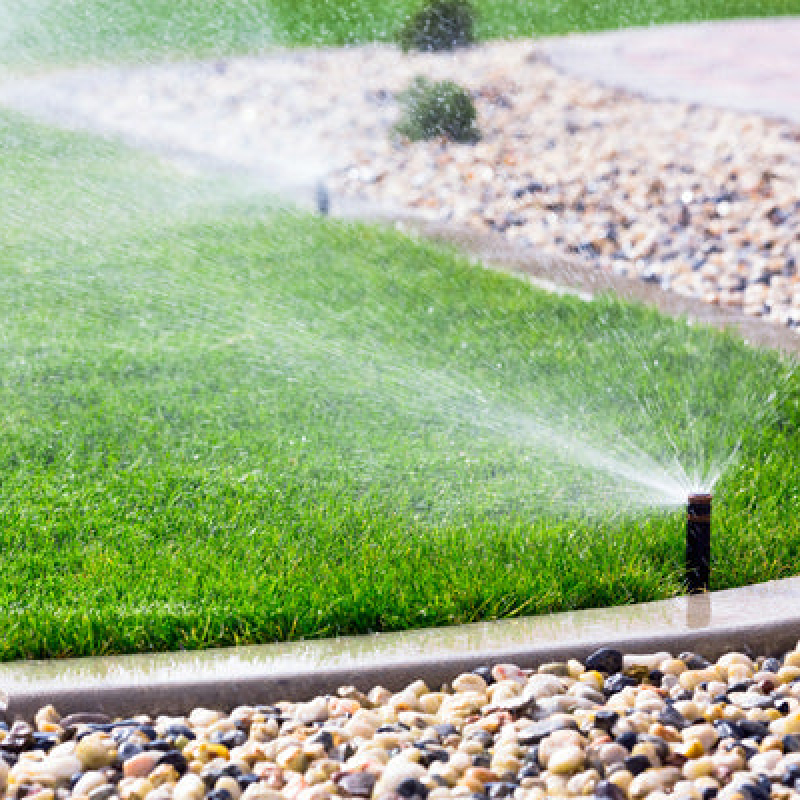
Drip irrigation is different from irrigation using sprinklers and spray heads. The latter apply water over an entire coverage area, while drip irrigation applies water only to the root zone area. Drip irrigation allows you to apply water to plants without applying it to surrounding areas which may not require water. It also allows you to irrigate any time of day since the foliage of the plant never gets wet virtually eliminating the chance for disease. Because water is applied directly to the ground, such systems are very efficient.
Drip emitters allow you to regulate the amount of water that is “emitted” from an irrigation line. They are designed such that they emit water at a relatively steady flow rate regardless of pressure.
If a pipe has holes drilled in at some regular interval such as every foot, then when water is supplied to one end of the pipe, the water emitted through the hole closest to the water source will emit some amount of water. Each subsequent hole in the pipe would emit slightly less water as the pressure will be less the farther you get from the water source. If, however, you placed emitters at each hole along the pipe, all the drip emitters would emit roughly the same amount of water.
Drip emitters come in different shapes, sizes, and colors. Some of the common flow rates are 0.5 gallons (or two liters) per hour, 1 gallon (or 4 liters) per hour, and 2 gallons (or 8 liters) per hour. Emitters with all three flow rates can be placed on the same section of drip tubing, and each will emit the amount of water corresponding to their flow rate. How the emitter flow rates are labeled depends on whether they are sold in the US (gallons) or overseas (liters). Some emitters have multiple outlet emitters to which you can attach 5 or 6 pieces of ¼ inch spaghetti tubing to provide water to several plants or pots.
Products categories
-
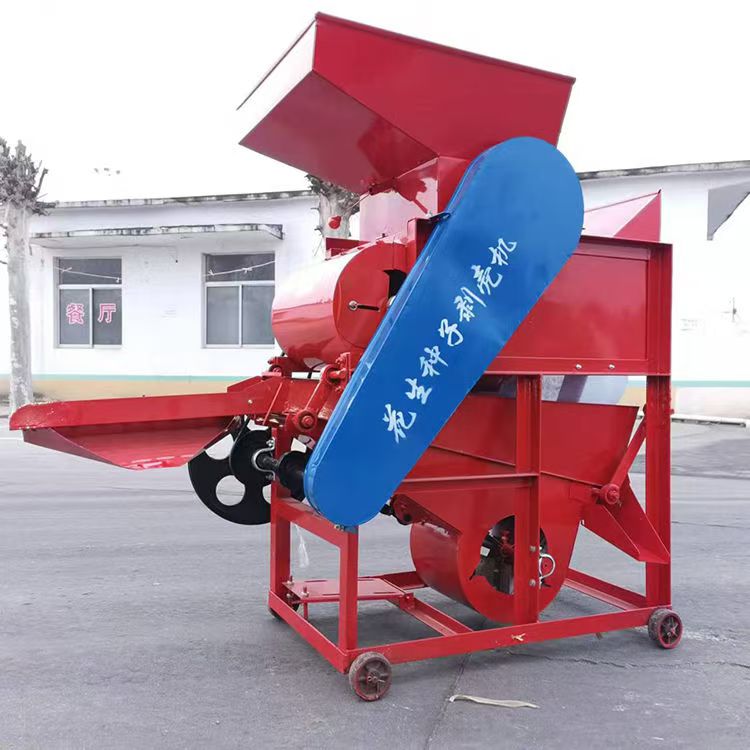
Seed Rubbing Machine
-
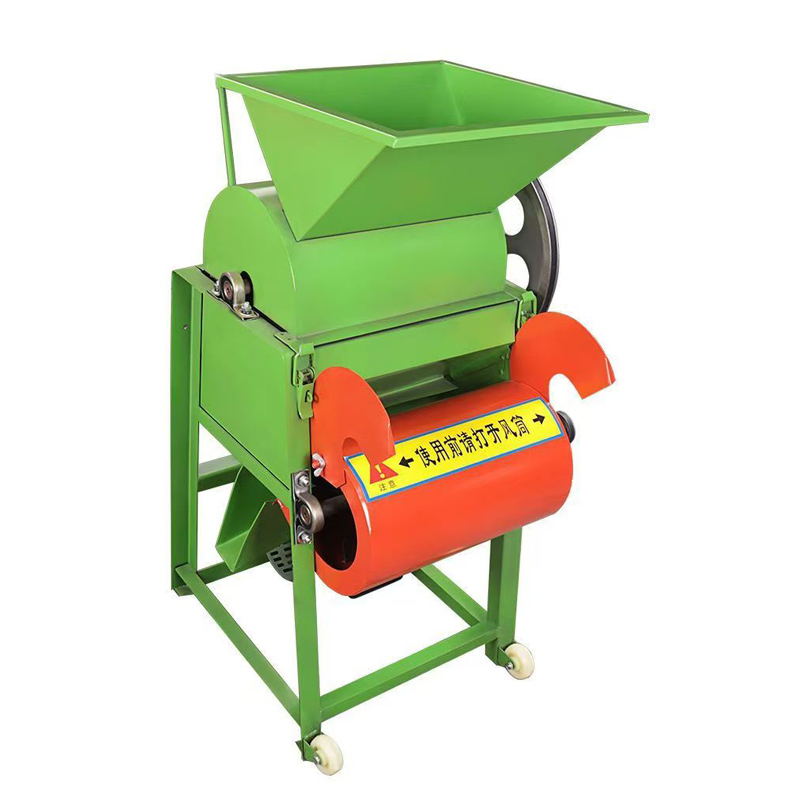
Small Peanut Shell Removal Machine
-
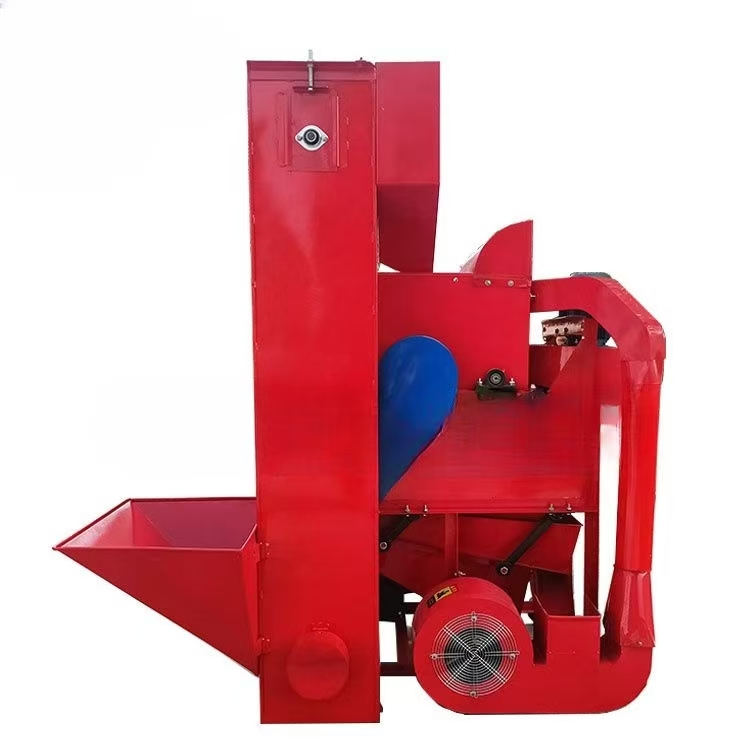
Double Lift Double Shell Machine (Oil Workshop)
-
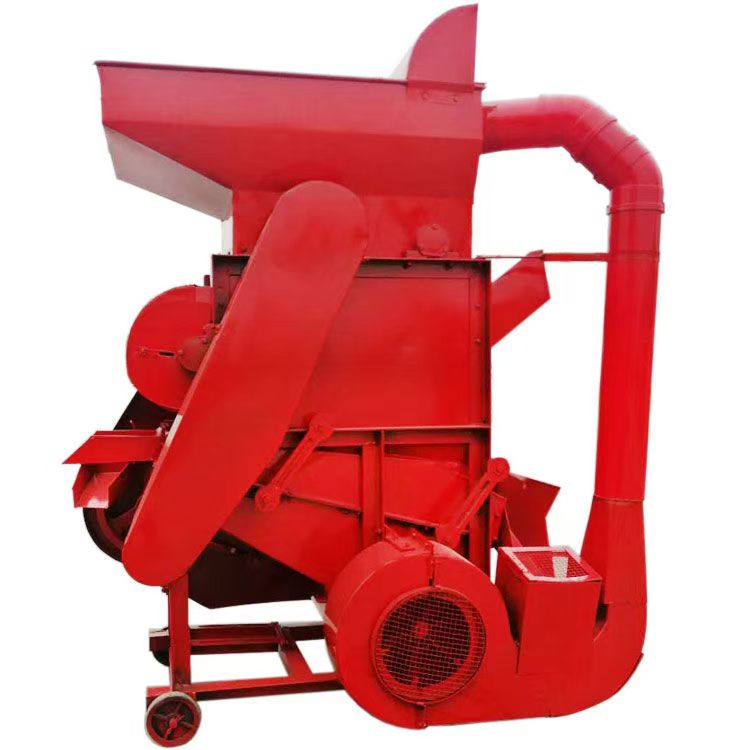
Secondary Stripping Stripping Machine
-
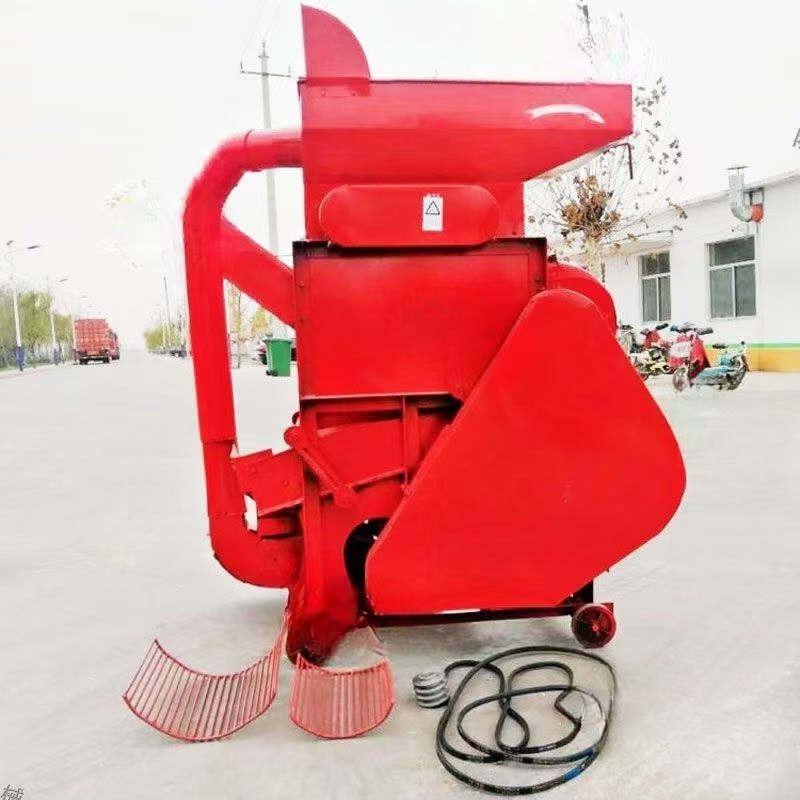
Dust Removal And Stripping Machine (Oil Workshop)
-
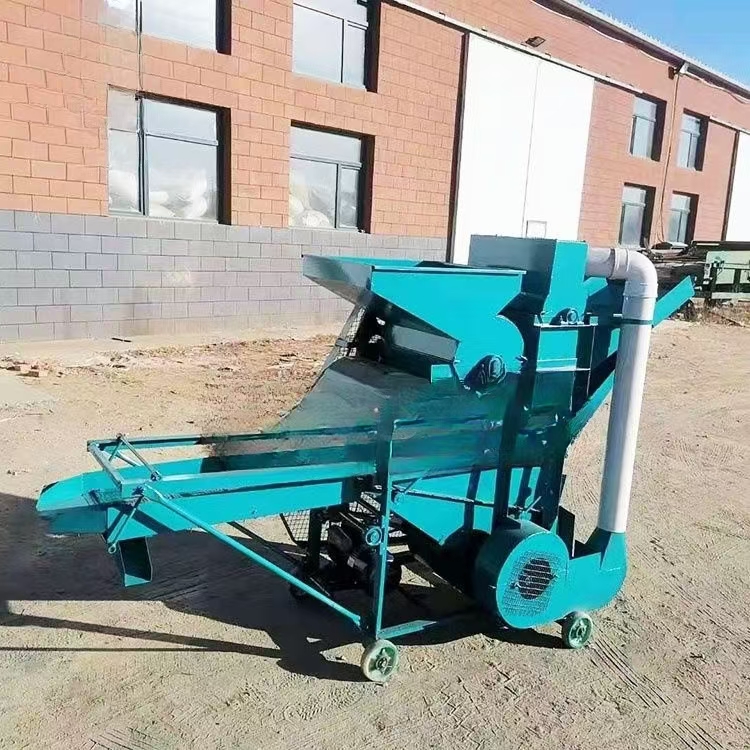
Type 40 Shell Removal Machine
-
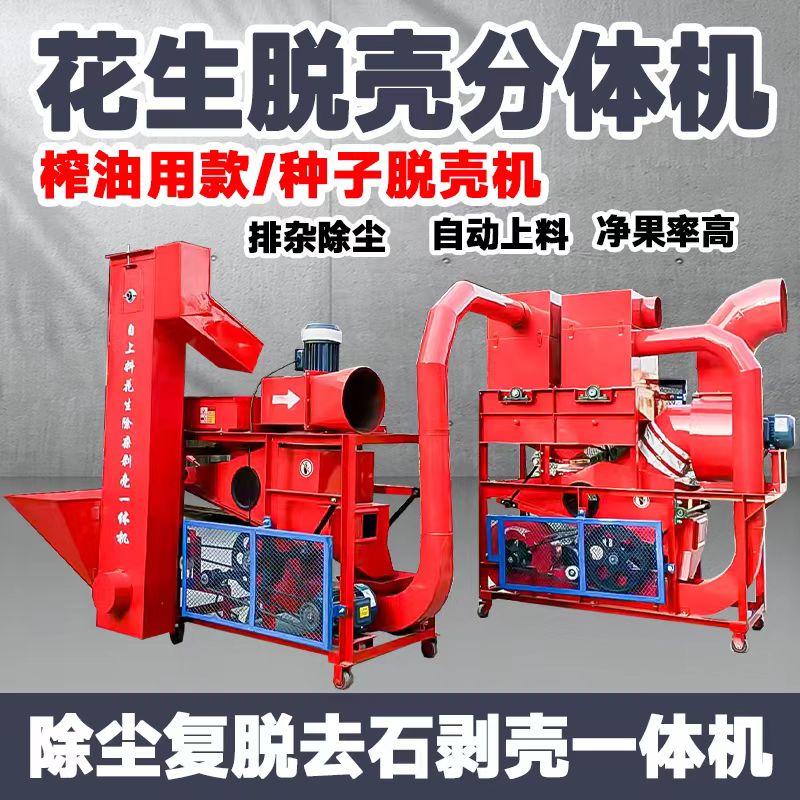
1.5t Peanut Uneller
-
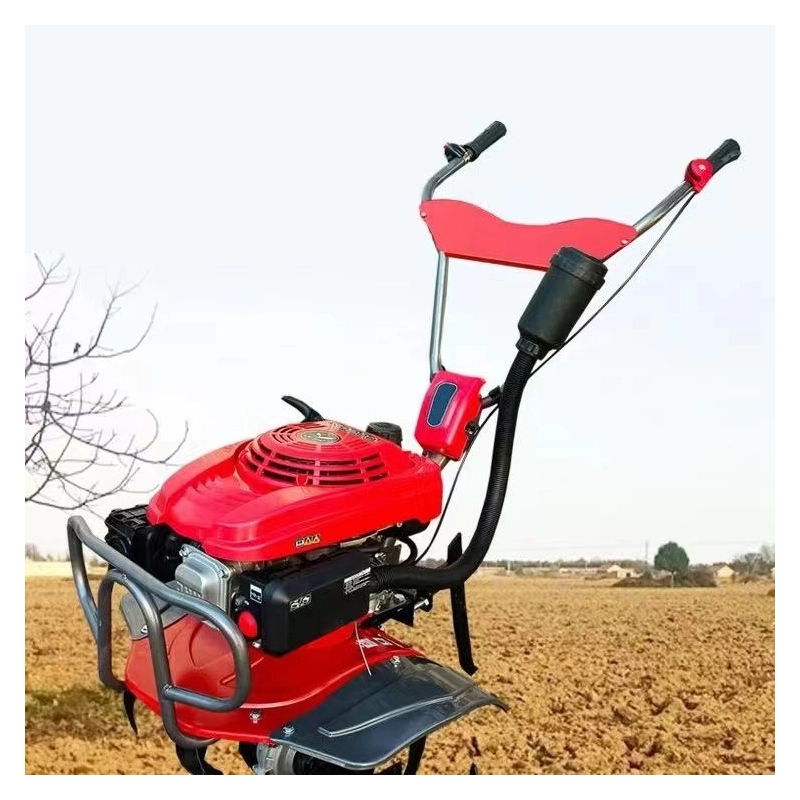
Micro-tiller plough household multifunctional small ditcher plough agricultural plough walking rotary tiller
-
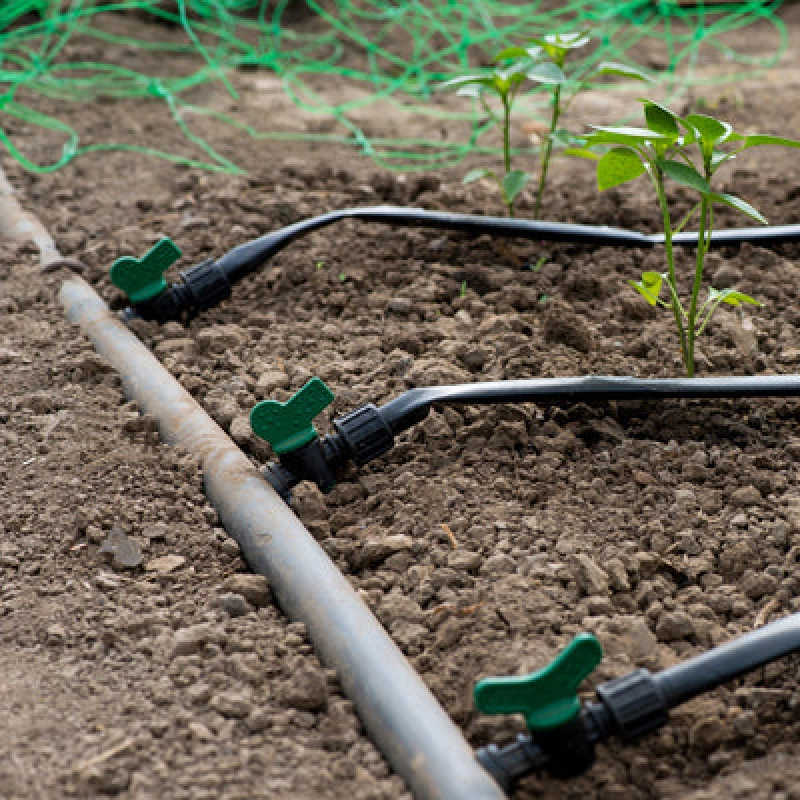
Drip Tubing
-
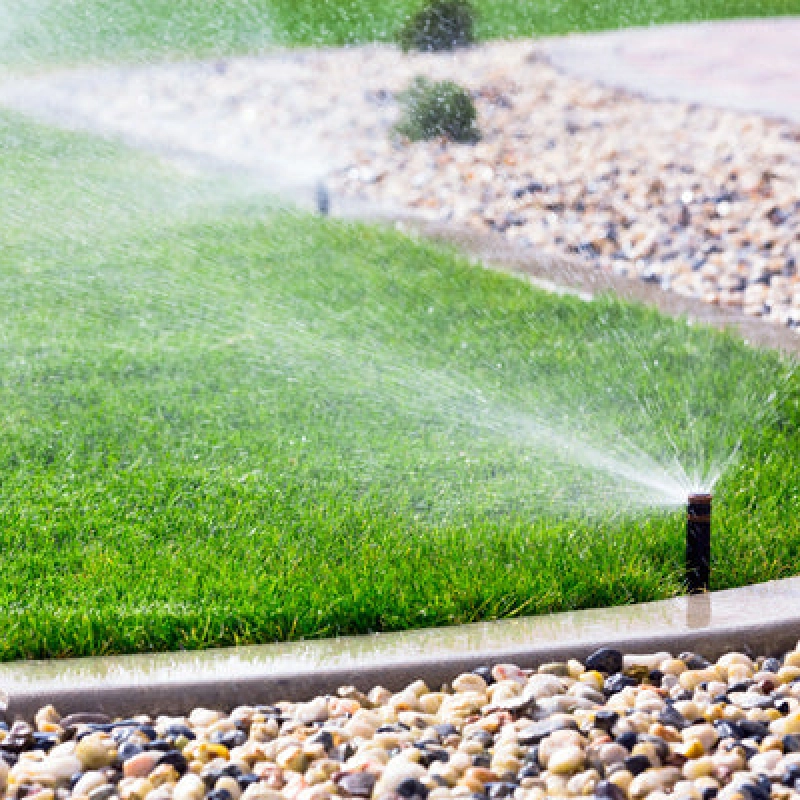
Spray Heads
-
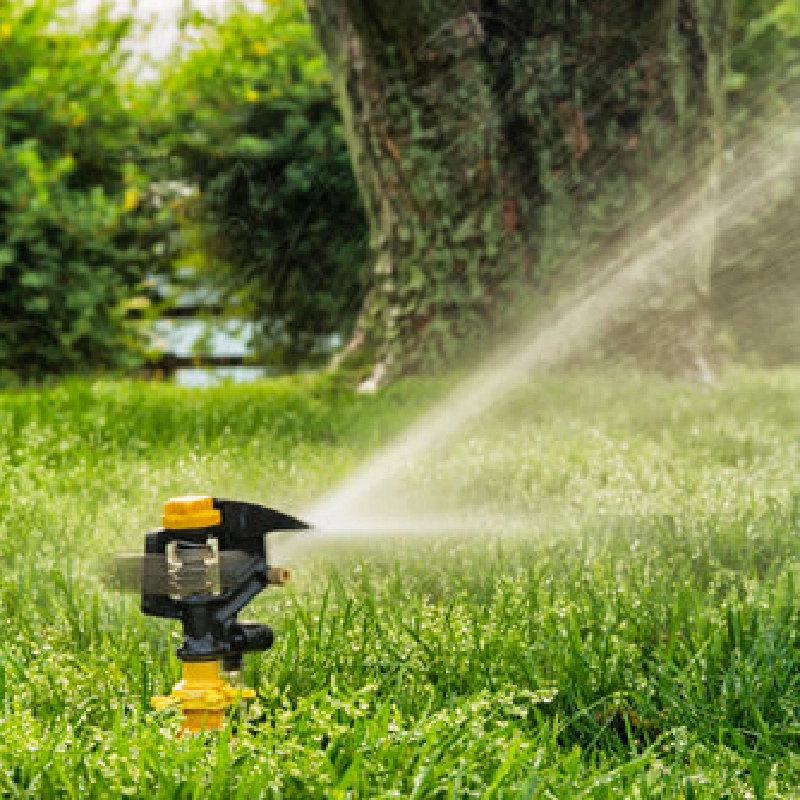
Impact Sprinklers
 English
  Afrikaans
  Albanian
  Amharic
  Arabic
  Armenian
  Azerbaijani
  Basque
  Belarusian
  Bengali