PRODUCT DETAILS
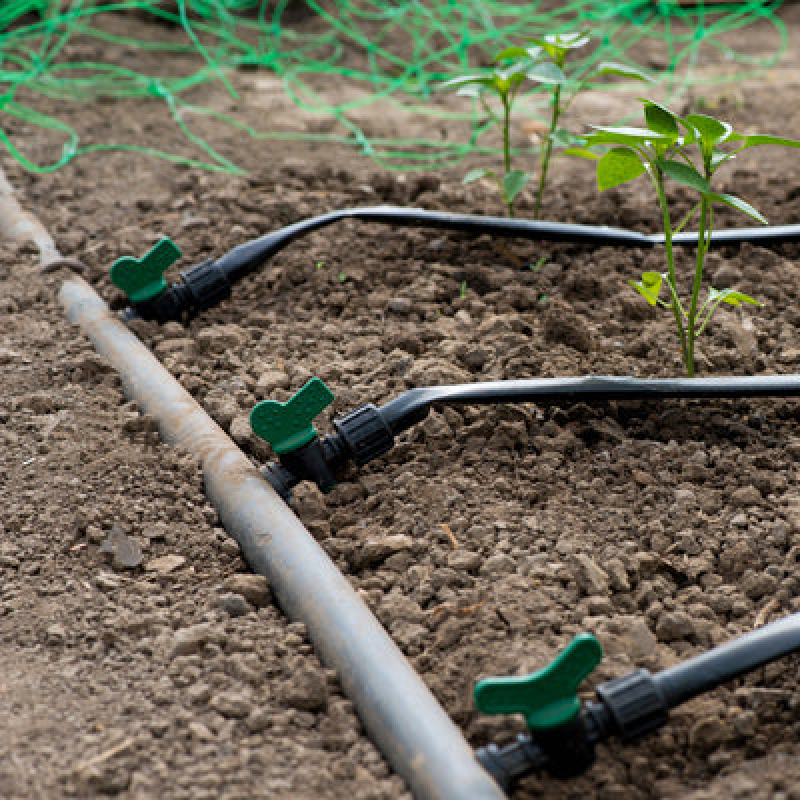
There are all types of fittings that can be attached to the drip tubing, but the size of the fitting must match that of the tubing. There are “T”s, elbows, and adaptors to connect to male or female garden hose threads to name a few. The open end of the tubing should be plugged with a figure 8 clamp.
Driplines in 1000+ foot rolls that are made of “600” size drip tubing with emitters pre-installed every 12, 18, or 24 inches can be purchased. The emitters are evenly spaced, so they are a great option if you plan to irrigate a bed with a 2x2 grid of emitters or in an orchard or area with evenly spaced plants. However, if the plants to be watered by the drip tubing and emitters are not evenly spaced, then you are better off purchasing drip tubing and emitters so that you can better space the emitters to match your planting pattern.
Microsprinklers and microsprayers are miniature plastic sprinklers and sprayers that are usually mounted atop some type of plastic stake. They are connected to one end of a length of spaghetti tubing which is connected to drip tubing on the other end. These are hybrids of drip irrigation and sprinkler irrigation technology, making them more efficient than sprinklers but still less efficient than drip emitters.
Microsprinklers can have flow rates of 5-60 gallons per hour, sometimes more. They are used a lot in greenhouses and orchards. They are also useful in landscapes with coarse, sandy soils. Drip emitters are not good in such environments because the soil drains so well that the water from the emitter drains vertically and there is very little lateral movement of the water away from the emitter. This limits coverage in the root zone. Because microsprinklers spray water over a much larger area, they are more effective irrigating a much larger root area. Microsprinklers are used extensively in citrus groves, where the soil is sandy.
In areas where the soil is predominantly loamy or clay, the vertical drainage is much slower and lateral water movement from the drip emitter are often 2 or more feet (as opposed to 4-6 inches in sandy soil). In landscapes with loam or clay soils, a drip emitter is quite effective and microsprinklers are not typically used.
Products categories
-
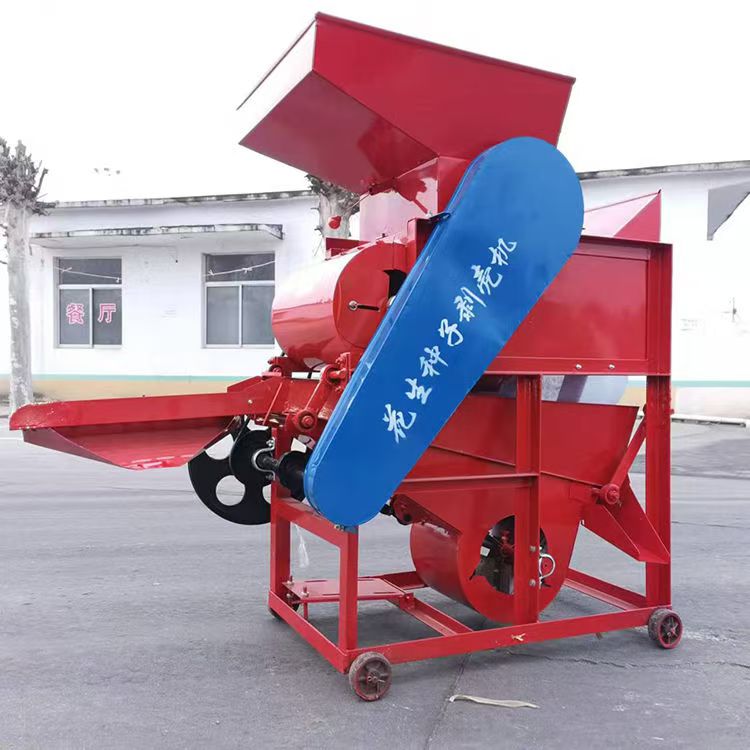
Seed Rubbing Machine
-
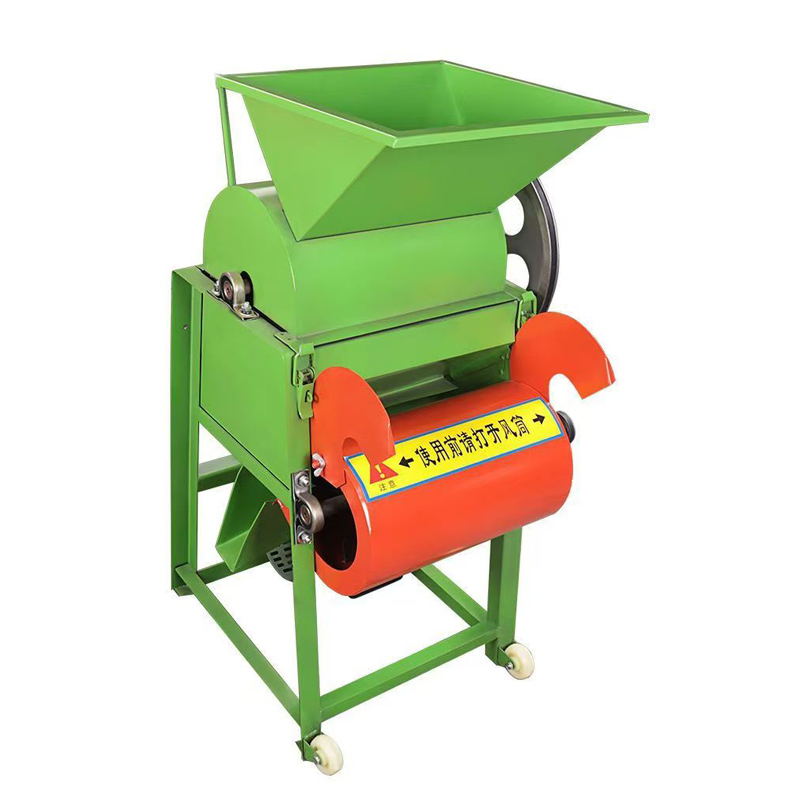
Small Peanut Shell Removal Machine
-
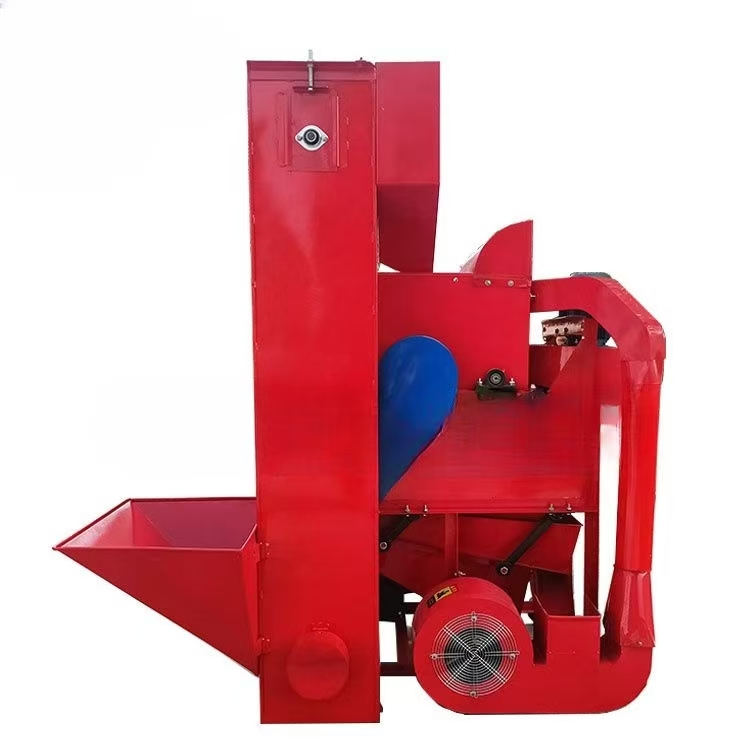
Double Lift Double Shell Machine (Oil Workshop)
-
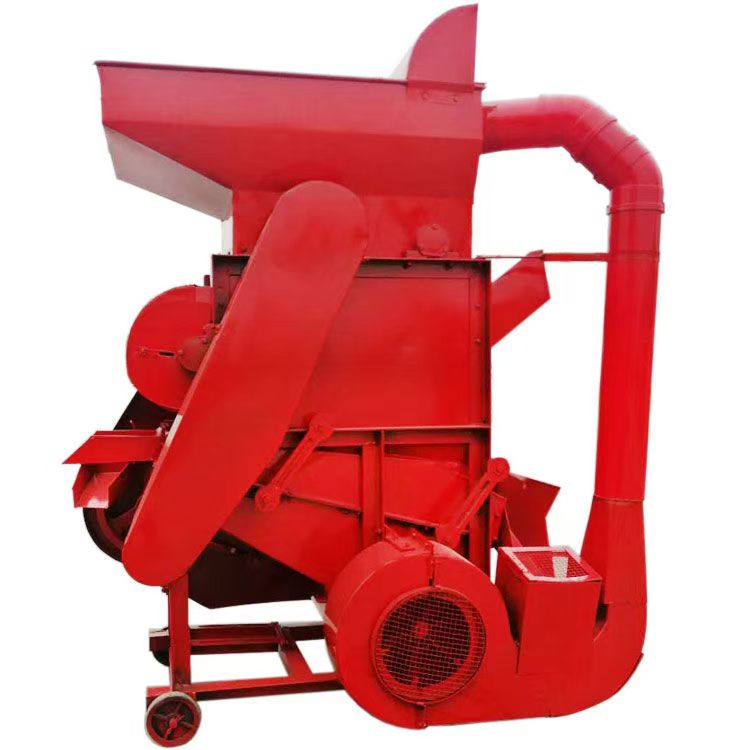
Secondary Stripping Stripping Machine
-
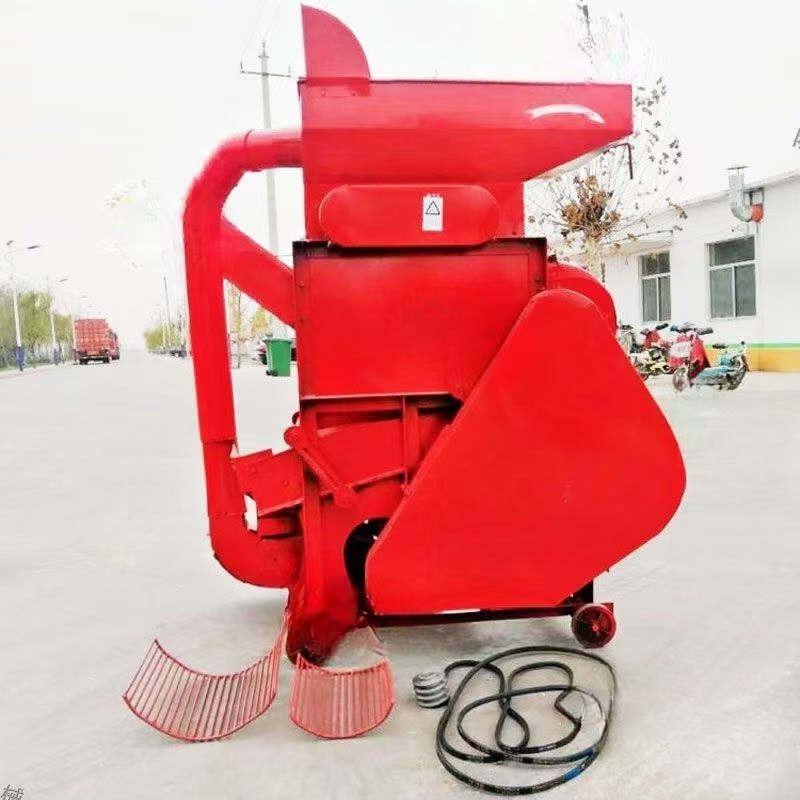
Dust Removal And Stripping Machine (Oil Workshop)
-
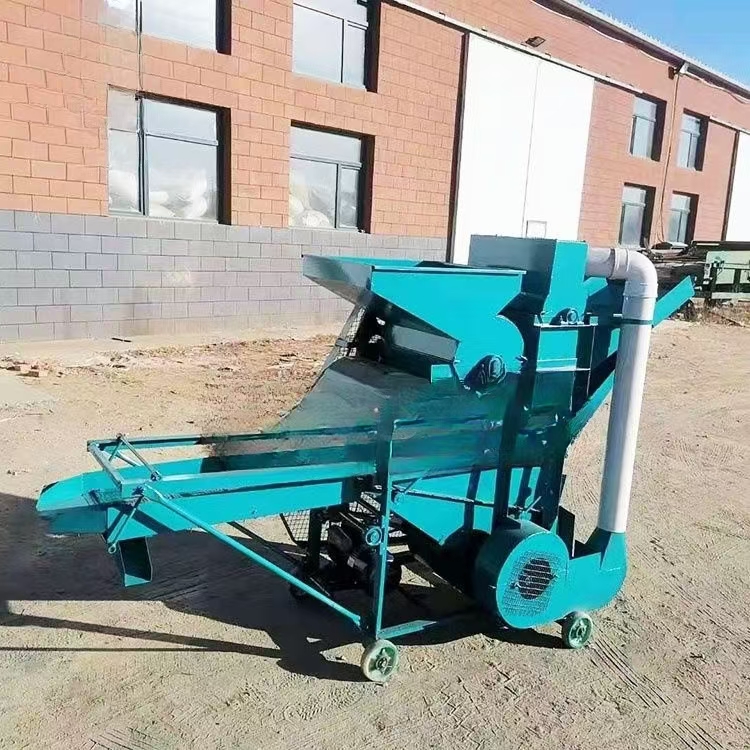
Type 40 Shell Removal Machine
-
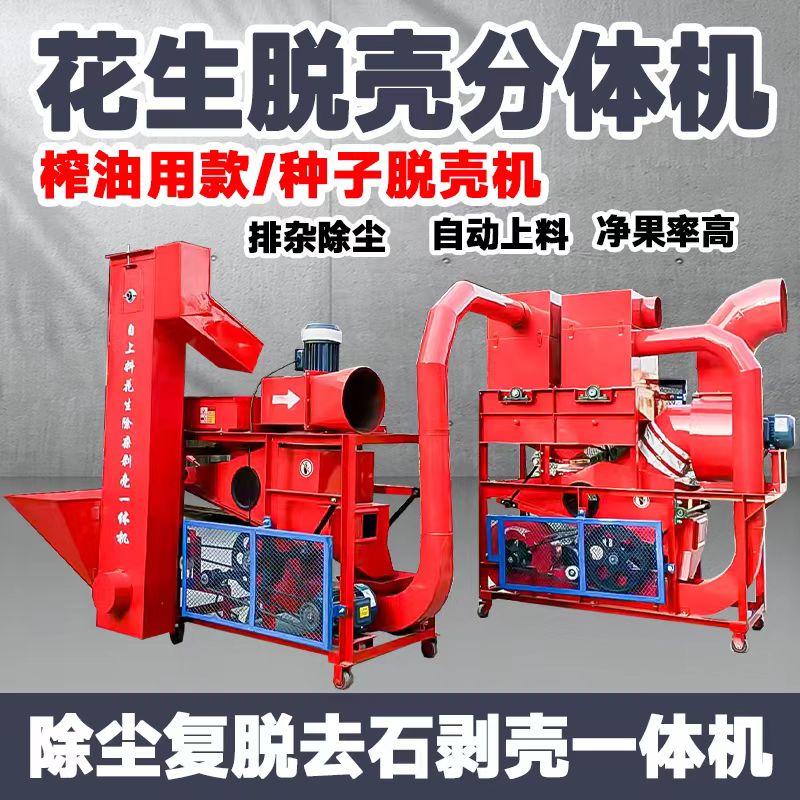
1.5t Peanut Uneller
-
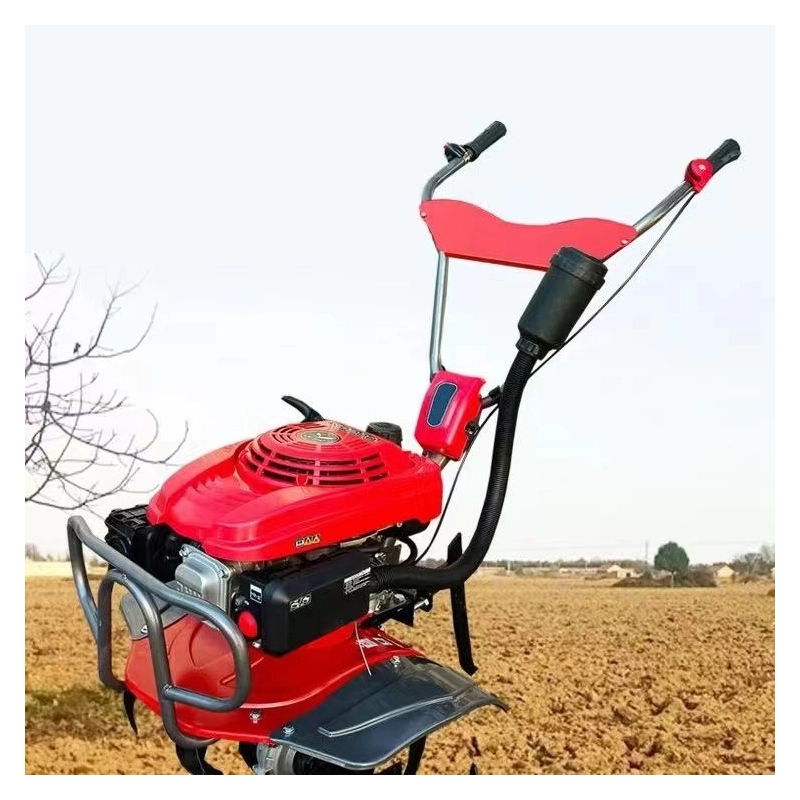
Micro-tiller plough household multifunctional small ditcher plough agricultural plough walking rotary tiller
-
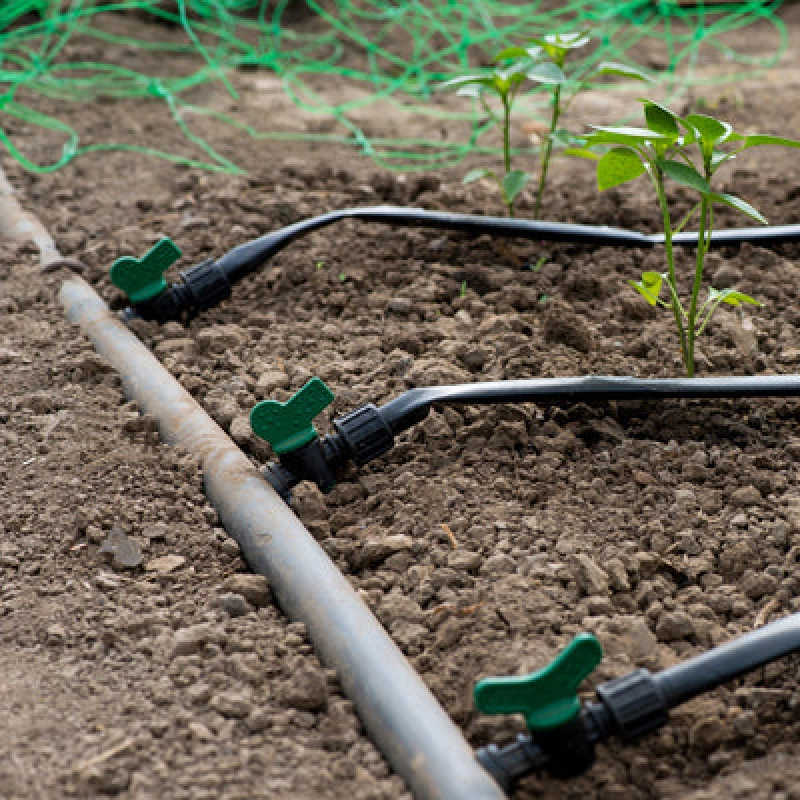
Drip Tubing
-
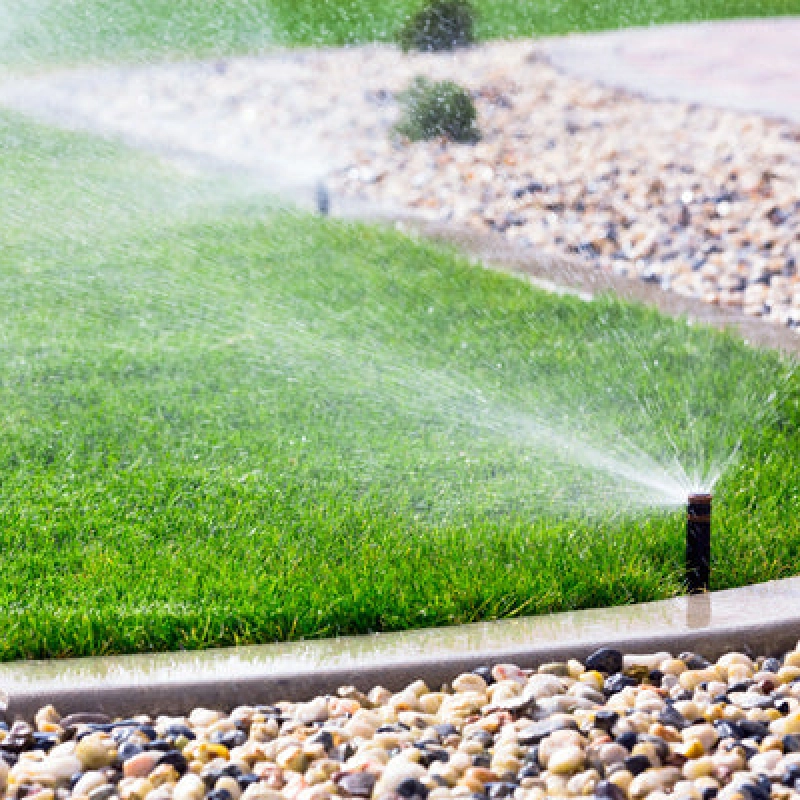
Spray Heads
-
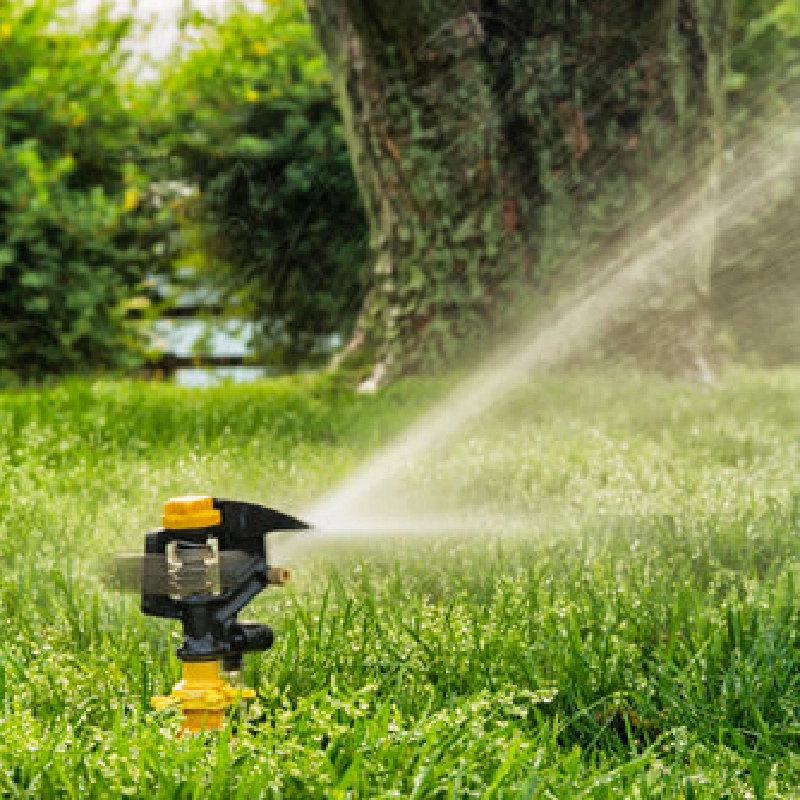
Impact Sprinklers
 English
  Afrikaans
  Albanian
  Amharic
  Arabic
  Armenian
  Azerbaijani
  Basque
  Belarusian
  Bengali